Related Posts

Electronic vaping devices have evolved from simple cigalike units into sophisticated personal vaporizers equipped with temperature control, customizable wattage settings, and advanced coil technologies that deliver consistent flavor and vapor production. Today’s market offers everything from compact pod systems designed for nicotine salt e-liquids to powerful box mods that let experienced users fine-tune every aspect of their vaping experience. Understanding these categories and their core technologies helps you match device capabilities to your specific needs, whether that means convenient nicotine delivery, cloud production, or flavor optimization.
The fundamental innovation driving modern vaping devices is precision heating. Early e-cigarettes relied on basic resistance heating with minimal control, producing inconsistent results and frequent dry hits. Current generation devices employ chipsets that monitor coil temperature hundreds of times per second, adjusting power output to prevent overheating while maximizing e-liquid vaporization efficiency. This advancement has made vaping more reliable and reduced the production of potentially harmful degradation byproducts that occur when coils exceed optimal temperatures.
Device selection now hinges on understanding three primary categories. Pod systems prioritize portability and simplicity, making them ideal for smokers transitioning to vaping or users seeking discreet nicotine delivery. Vape pens offer a middle ground with slightly more battery capacity and adjustable settings. Box mods provide maximum customization for enthusiasts who want complete control over their vaping parameters. Each category serves distinct use cases, and the right choice depends on your experience level, preferred nicotine strength, and whether convenience or performance takes priority.
Safety features have become standard across quality devices in 2026, including short-circuit protection, automatic cutoff timers, and low-resistance warnings. These built-in safeguards address earlier concerns about battery venting and coil failures, though proper battery handling and compatible coil selection remain essential user responsibilities.
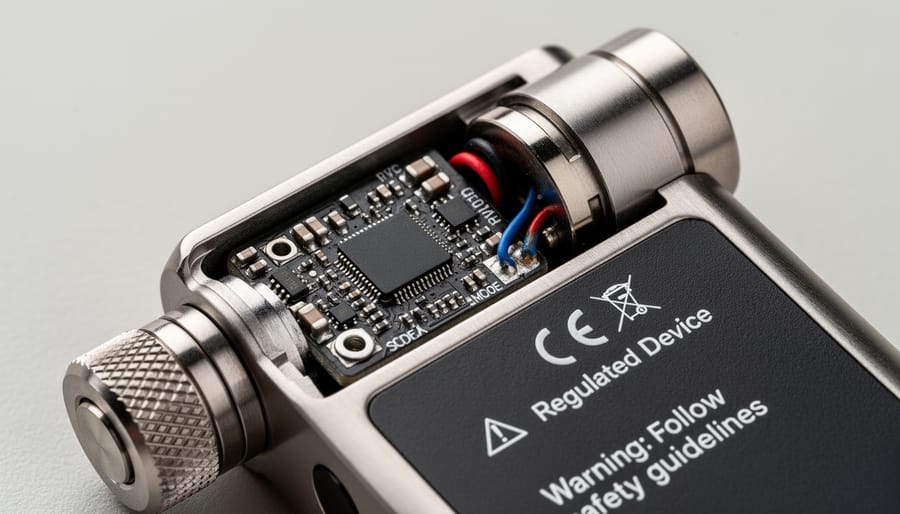
At its core, an electronic vaping device incorporates powered circuitry and automated controls to regulate the vaporization process. This fundamental distinction separates these devices from purely mechanical alternatives, which rely on direct battery-to-coil connections without intermediary electronics.
The essential components that make a vaping device electronic include a rechargeable lithium-ion battery, a microprocessor or chipset, voltage regulation circuitry, and safety protection systems. When you press the fire button, the microprocessor reads input from multiple sensors, calculates appropriate power delivery, and activates the heating element for a controlled duration. This happens in milliseconds, but represents a sophisticated electronic process that mechanical devices cannot replicate.
Modern electronic devices monitor coil resistance, track battery charge levels, prevent overheating, and adjust power output based on programmed settings or learned user behavior. The chipset acts as the brain of the device, making real-time decisions about how much current flows from the battery to the atomizer coil. This electronic mediation allows for consistent performance across varying battery charge levels and prevents the power degradation that occurs with mechanical devices as batteries drain.
Understanding the technical vocabulary helps clarify how these systems function:
Mechanical devices, by contrast, deliver unregulated power directly from battery to coil. While simpler in construction, they lack the safety features, consistency, and customization that electronic regulation provides. The trade-off is that mechanical devices require deeper understanding of battery safety and Ohm’s law, making them suited primarily for experienced users who value simplicity over electronic control.
Smart pod systems represent the intersection of simplicity and electronic sophistication. These compact devices pack microprocessors, Bluetooth connectivity, and sensor technology into palm-sized units that require minimal user intervention. Unlike basic pod devices that simply heat e-liquid when you inhale, electronic pod systems actively monitor and adjust performance parameters in real time.
The defining feature is intelligent coil recognition, when you insert a new pod, the device’s chipset automatically detects resistance and optimal wattage, eliminating guesswork. Many models now include LED screens displaying battery life, puff count, and e-liquid levels, addressing the common frustration of unexpected dry hits or dead batteries.
App connectivity transforms these devices into trackable systems. Users can monitor daily nicotine intake, set usage limits, and analyze vaping patterns through smartphone interfaces. Some systems allow customization of power curves and vapor warmth despite their small size. Firmware updates via app extend device longevity by improving battery management and adding features post-purchase.
For beginners, this automation removes the learning curve, no wattage calculations or coil compatibility charts needed. Experienced vapers appreciate the portability and data insights; tracking consumption helps those managing nicotine reduction or monitoring costs. The convenience factor cannot be overstated: magnetic pod connections, USB-C charging, and leak-resistant designs address practical concerns that plagued earlier generations.
The trade-off is reduced customization compared to larger mods, but for users prioritizing discreet, intelligent vaping over cloud production, smart pods deliver sophisticated performance in a beginner-friendly package.

Advanced box mods represent the pinnacle of electronic vaping technology, delivering precise control through sophisticated chipsets that would have seemed impossible a decade ago. These regulated devices feature variable wattage outputs, often reaching 200 watts or more, alongside multiple safety mechanisms that prevent battery failures, overheating, and short circuits.
The defining characteristic of modern box mods is their customization capability. Temperature control modes let users set exact heating limits (typically between 200°F and 600°F), preventing dry hits while preserving e-liquid flavor compounds that degrade at higher temperatures. Wattage curve programming takes this further, allowing users to create custom power delivery profiles: perhaps starting at 75 watts for initial vapor production, then ramping to 85 watts for sustained clouds, and finishing at 65 watts to prevent coil burnout.
High-end chipsets now store multiple user profiles, each with distinct settings for different tanks or e-liquid viscosities. A single device might hold a temperature-controlled stainless steel profile for dessert flavors, a variable wattage profile for freebase nicotine, and a lower-power profile for nicotine salts, all switchable with a few button presses.
These devices appeal to experienced users who value consistency and want to optimize every aspect of their vaping experience. The learning curve is steeper than pod systems, but the payoff is unmatched control over vapor production, throat hit, and flavor delivery.
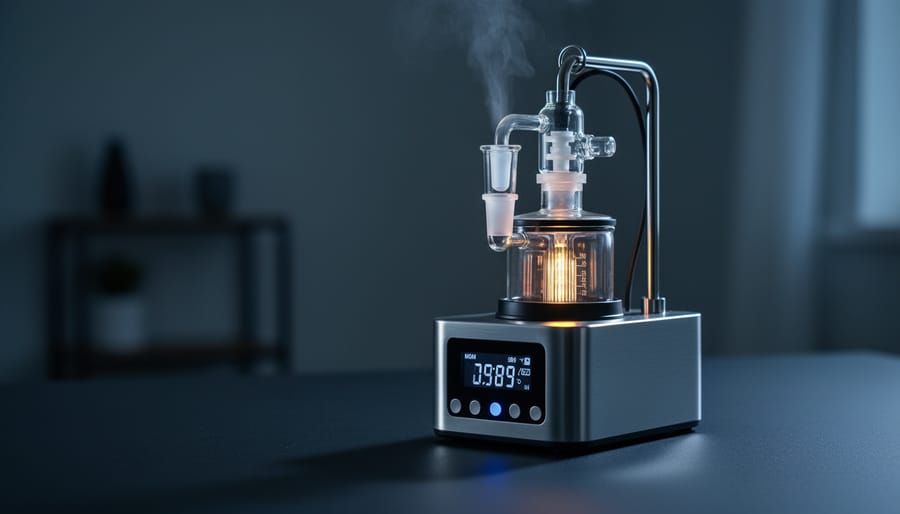
Electronic dab rigs and concentrate vaporizers represent a specialized branch of vaping technology that has matured significantly since the early days of torch-heated nails. These devices apply the same fundamental principles as nicotine vaporizers, battery power, controlled heating, and vapor production, but adapt them for the unique properties of cannabis concentrates like wax, shatter, and live resin.
The defining feature of modern electronic dab rigs is precision temperature control. Unlike traditional methods, these devices allow users to set exact temperatures, typically ranging from 315°F to 700°F, which matters because different cannabinoids and terpenes vaporize at different temperatures. Lower temperatures preserve flavor profiles, while higher settings produce larger vapor clouds. Quality devices use ceramic or quartz heating chambers that reach target temperatures in 15 to 30 seconds, eliminating the guesswork and potential waste associated with torch heating.
The technological overlap with nicotine devices is substantial. Many concentrate vaporizers now feature the same sophisticated chipsets found in advanced box mods, offering temperature curves, session timers, and haptic feedback. Some manufacturers have even created hybrid devices that accommodate both e-liquids and concentrates with interchangeable atomizers, though dedicated concentrate devices generally provide superior performance for that specific application.
The disposable vaping segment has evolved significantly beyond its simple origins. Modern disposable electronic devices now incorporate rechargeable batteries that extend device lifespan from a few hundred puffs to several thousand, addressing the gap between true single-use models and refillable systems. Many 2026 disposables feature LED displays showing remaining e-liquid and battery levels, eliminating the guesswork that plagued earlier iterations.
Flavor delivery has improved through mesh coil technology and optimized airflow pathways, providing consistency that rivals some pod systems. Manufacturers now integrate draw-activated sensors with sophisticated power regulation, automatically adjusting output to prevent burnt hits as e-liquid depletes. Some models include adjustable airflow rings, allowing users to customize their experience despite the non-refillable design.
The “single-use” label has become somewhat misleading. Contemporary disposables function more as limited-lifespan devices with electronic components comparable to entry-level rechargeable systems. This shift reflects consumer demand for convenience without sacrificing performance, though it raises ongoing sustainability concerns given the electronic waste generated when these devices reach end-of-life. The regulatory environment in various regions continues to scrutinize disposables specifically because of their appeal to new users and environmental impact.
AI-driven chipsets in modern vaping devices analyze usage patterns to deliver personalized experiences. These systems track metrics like puff duration, frequency, and preferred power settings, then automatically adjust voltage and wattage to match individual habits.
The technology works through embedded algorithms that monitor coil resistance changes and e-liquid viscosity in real-time. When a device detects consistent behavior, say, three-second draws at moderate power, it optimizes subsequent puffs to replicate those conditions. This prevents burnt hits when coils heat unevenly and maintains flavor consistency across different e-liquid types.
Some chipsets incorporate machine learning that adapts to seasonal preference shifts. A user who typically vapes at 40 watts but switches to lower wattage during summer months will find their device anticipating and suggesting that adjustment based on temperature sensors and historical data.
These systems also improve battery efficiency by preventing power waste. Rather than applying maximum voltage regardless of need, AI-optimized devices deliver precisely calibrated energy for each puff. The result is extended battery life alongside more reliable vapor production, addressing two common frustrations with earlier electronic devices.
Lithium-ion batteries power nearly all modern electronic vaping devices, and their safety features have advanced considerably since early vaping technology. Contemporary devices integrate multi-layered protection circuits that monitor voltage, current, and temperature continuously. These systems prevent common hazards like overcharging, over-discharging, and short circuits, risks that plagued earlier generations of vaping hardware.
Protection chipsets now include real-time battery health monitoring. When a cell approaches unsafe temperatures or draws excessive current, the device cuts power immediately. Many regulated mods display battery voltage and remaining capacity, helping users recognize when cells need replacement before performance degrades into unsafe territory.
Fast-charging technology has transformed user convenience without compromising safety. Modern devices support USB-C power delivery, enabling charging speeds up to 45 watts while maintaining thermal management. Balanced charging circuits distribute current evenly across multiple cells in dual-battery devices, preventing one cell from degrading faster than its partner.
Battery venting systems represent another critical safety advance. Quality devices incorporate pressure relief mechanisms and heat-dissipation channels that direct thermal energy away from users if a cell fails. Always use manufacturer-recommended chargers and avoid overnight charging to maximize both safety and battery lifespan.
Modern electronic vaping devices feature sophisticated temperature control (TC) systems that maintain precise coil temperatures throughout each draw. Unlike basic wattage-only modes, TC technology uses temperature coefficient of resistance, the way metal resistance changes with heat, to calculate real-time coil temperature. When your chosen limit is reached, the chipset automatically reduces power to prevent overheating, which protects flavor compounds from thermal degradation and eliminates the harsh, burnt taste that occurs when wicking material dries out.
Most advanced devices support multiple TC wire types, including nickel (Ni200), titanium (Ti), and stainless steel (SS316L), each with different resistance curves. Stainless steel has become particularly popular because it works in both wattage and temperature modes, offering flexibility for users who prefer switching between control methods.
Electronic airflow control adds another dimension to customization. Some devices now incorporate motorized air intake valves that adjust automatically based on your draw strength, maintaining consistent vapor density. Manual systems typically use rotating rings or adjustable plates with specific airflow patterns engineered to create either tight, restricted draws that enhance flavor concentration, or wide-open airflow that maximizes cloud production. These precision controls work together, letting users dial in their exact preference for vapor warmth, density, and flavor intensity.
Modern electronic vaping devices incorporate multiple layers of protective technology designed to prevent common hazards associated with battery-powered electronics. Understanding these built-in safety features, and recognizing their limitations, helps users make informed decisions about device selection and proper usage.
Battery Safety Protocols and Protection Circuits
Contemporary electronic vaping devices employ sophisticated battery management systems that monitor cell voltage, current draw, and temperature in real time. Most regulated devices include short-circuit protection that immediately cuts power if the atomizer resistance falls below safe thresholds, typically around 0.1 ohms. Overcharge protection prevents batteries from exceeding safe voltage levels during charging, while overdischarge cutoffs stop operation before cells reach dangerously low voltages that could compromise battery integrity.
Temperature monitoring circuits represent a significant advance in battery safety. These systems detect unusual heat buildup that might indicate battery stress or impending failure, automatically shutting down the device before thermal runaway becomes possible. Quality devices also incorporate reverse battery protection, preventing operation if cells are inserted incorrectly.
Despite these protections, users must handle lithium-ion batteries with care. Physical damage to battery wraps or cells can bypass electronic protections, creating serious safety risks. Inspect batteries regularly for tears, dents, or other damage, and replace compromised cells immediately rather than rewrapping them unless you have proper training.
Dry-Hit Prevention and Coil Protection
Advanced chipsets now detect when wicking material has insufficient e-liquid saturation, preventing the unpleasant experience of dry hits while also protecting heating elements from premature failure. Some systems use resistance monitoring to identify rapid resistance changes indicating dry coils, while others employ dedicated sensors that detect liquid levels in tank systems.
Current Health Research Context
Electronic vaping devices eliminate combustion entirely, avoiding the thousands of compounds created when burning tobacco. However, research into the long-term health effects of inhaling vaporized e-liquid remains ongoing. Studies from Public Health England and the Royal College of Physicians have concluded that vaping presents substantially reduced risk compared to smoking combustible cigarettes, though these devices are not risk-free.
The heating element materials, operating temperatures, and e-liquid composition all influence what compounds users inhale. Devices with precise temperature control help users avoid excessive heat that can degrade e-liquid ingredients into potentially harmful byproducts. Reputable manufacturers use medical-grade stainless steel, kanthal, or other tested materials for heating elements rather than unknown alloys.
Users should source e-liquids from regulated manufacturers who provide ingredient transparency and third-party testing results. The 2019 EVALI outbreak demonstrated the dangers of using unregulated products, particularly those containing vitamin E acetate in cannabis concentrates, a substance never found in legitimate nicotine e-liquids but which highlighted the importance of product sourcing.
Selecting an electronic vaping device starts with honest assessment of your current situation and what you’re trying to achieve. Smokers transitioning away from cigarettes typically benefit most from straightforward pod systems that mimic the draw resistance and nicotine delivery of traditional smoking. These devices require minimal setup, use pre-filled or simple refillable pods, and provide consistent performance without demanding technical knowledge. Higher nicotine concentrations in salt-based formulations work well for this purpose, delivering satisfaction without requiring large vapor clouds or complicated adjustments.
Experienced vapers moving from basic setups to advanced devices should evaluate whether they genuinely need the additional features. Box mods with variable wattage, temperature control, and custom power curves offer precise control over vapor production and flavor intensity, but they require understanding of coil resistance, battery safety, and proper settings. If you enjoy experimenting with different e-liquid profiles and building your own coils, these investments make sense. If you simply want reliable daily vaping, simpler regulated devices often provide better value.
Lifestyle considerations matter substantially. Frequent travelers need compact devices with long battery life and minimal liquid capacity to comply with airline restrictions. People who vape throughout the workday might prioritize discreet pod systems over larger devices. Active individuals often prefer robust construction and secure pod connections that won’t leak during movement. Budget constraints should focus not just on initial device cost but ongoing expenses for replacement coils, pods, or e-liquid, as some systems prove far more economical over time.
Concentrate users face different decisions entirely. Electronic dab rigs with precise temperature control preserve terpene profiles and cannabinoid efficacy better than traditional methods, but they command premium prices. Evaluate whether your consumption patterns justify the investment versus simpler pen-style vaporizers.
Test devices when possible before purchasing. Many vape shops maintain demo units, and online reviews provide useful insights about build quality, battery performance, and common issues. Match the device’s complexity to your willingness to learn and maintain it. The most technologically advanced option isn’t automatically the best choice if it sits unused because it’s too complicated for your actual needs.
Proper maintenance of electronic vaping devices extends their lifespan, preserves performance, and prevents safety hazards. Unlike mechanical alternatives, these devices contain circuit boards, sensors, and software that require specific care practices.
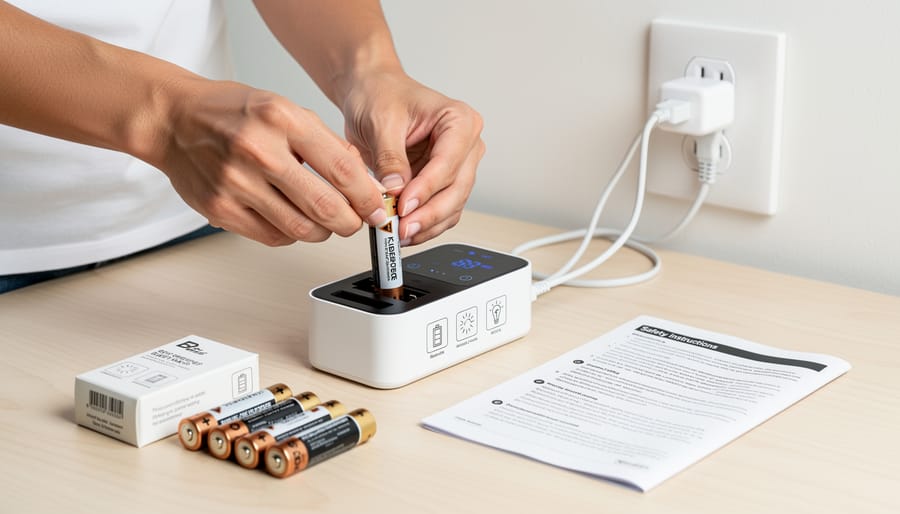
Battery maintenance stands as the single most critical aspect of device care. Always use the manufacturer’s recommended charger or a reputable USB-C cable with appropriate amperage for your device. Overcharging degrades lithium-ion cells over time, so unplug devices once they reach full charge rather than leaving them connected overnight. Store batteries at 40-60% charge if you won’t use the device for extended periods, and never leave batteries in hot environments like cars during summer. Inspect battery wraps regularly for tears or damage, a compromised wrap creates short-circuit risks and warrants immediate replacement.
Regular cleaning prevents e-liquid buildup that can interfere with electronic connections and sensors. A basic maintenance routine looks like this:
After cleaning, allow all components to dry completely before reassembling. This simple routine, performed weekly for daily users, prevents most electronic malfunctions.
Firmware updates deserve attention for devices with upgradable chipsets. Manufacturers release updates to improve battery management, fix bugs, or add features. Check the manufacturer’s website monthly and follow their update instructions precisely, interrupted updates can brick devices. Before updating, ensure your battery exceeds 50% charge to prevent mid-update power loss.
Common troubleshooting starts with simple solutions. If your device shows error messages, consult the manual for specific codes. “Atomizer short” warnings often indicate loose coil connections rather than actual shorts. “Weak battery” messages on recently charged devices suggest aging cells needing replacement. Many perceived electronic failures trace to dirty connections or improperly seated components, making thorough cleaning the first diagnostic step.
Never attempt to open sealed devices or modify circuit boards. Internal repairs require specialized knowledge and tools, and DIY attempts void warranties while creating fire risks.
Regulatory frameworks shape the development and availability of electronic vaping devices in meaningful ways. Governments worldwide approach vaping regulation differently, creating a patchwork landscape that influences which technologies reach consumers and how manufacturers innovate.
In markets with product notification requirements, companies must demonstrate device safety and manufacturing standards before launching new technologies. These processes can slow innovation cycles but often result in more rigorously tested products. Conversely, regions with lighter regulatory touch see faster market introduction of novel features, though this sometimes comes with greater variability in product quality.
Battery safety standards represent one area where regulation drives meaningful improvements. Requirements for overcharge protection, short-circuit prevention, and venting mechanisms have become common specifications that elevate baseline safety across the industry. Similarly, restrictions on certain materials or chemicals have pushed manufacturers toward better component choices.
Age verification technologies built into smart devices reflect another regulatory influence. Some jurisdictions encourage or require electronic mechanisms that limit device activation to verified adult users, spurring development of biometric sensors and app-based age confirmation systems.
Looking ahead, several trends suggest where electronic vaping technology may evolve. Demand for precise dose control and usage monitoring will likely grow, particularly as health-conscious consumers seek greater transparency about their consumption patterns. Sustainability concerns may accelerate development of modular designs with easily replaceable components rather than fully disposable devices.
Cross-pollination between cannabis and nicotine vaping technologies continues to drive innovation in temperature precision and material safety. As regulations mature and standardize across regions, manufacturers can invest more confidently in sophisticated features that meet multiple compliance frameworks, potentially accelerating rather than hindering technological advancement.
Electronic vaping devices have fundamentally transformed the vaping landscape, evolving from simple battery-and-coil configurations into sophisticated personal technology. The devices available in 2026 offer unprecedented levels of customization, safety features, and user-focused innovation that earlier generations couldn’t imagine. This evolution hasn’t just been about adding features, it’s been about refining the entire experience based on what users actually need.
The variety of options now available means there’s genuinely no one-size-fits-all device. Someone transitioning from smoking has different requirements than an experienced user chasing specific flavor profiles or cloud production. Smart pod systems serve convenience-focused users, advanced box mods satisfy tinkerers and enthusiasts, and specialized concentrate devices meet the needs of cannabis users seeking precision. Understanding your priorities, portability versus power, simplicity versus control, cost versus features, guides you toward the right category.
Safety remains paramount as devices become more powerful and complex. The protections built into modern regulated devices represent real progress, but they only work when users follow basic practices: using appropriate batteries, avoiding counterfeit products, and maintaining devices properly. No amount of innovation eliminates the need for informed use.
The pace of technological advancement shows no signs of slowing. As new features emerge and regulations evolve, staying informed helps you make choices aligned with both your preferences and current evidence. Electronic vaping devices will continue improving, but the foundation remains the same: understanding what you’re using and why.