Related Posts

Vaping technology has evolved dramatically from the simple e-cigarettes of the early 2010s, with vaping devices in 2026 now featuring sophisticated temperature control systems, advanced battery management, and extensive customization options that fundamentally change the user experience. Understanding these developments isn’t just about knowing what’s new, it’s about recognizing how innovation directly impacts safety, consistency, and personal preference in vaping.
Today’s devices integrate technology that prevents overheating, extends battery life, and allows users to fine-tune their experience in ways that weren’t possible even a few years ago. Temperature regulation systems can maintain precise coil temperatures to prevent the production of unwanted byproducts, while modern lithium-ion batteries incorporate multiple safety features that address early concerns about device malfunctions. Customization capabilities have expanded beyond simple power adjustments to include airflow control, coil resistance selection, and programmable settings that adapt to individual vaping styles. These three areas represent where technological progress has made the most measurable difference in how people vape today.
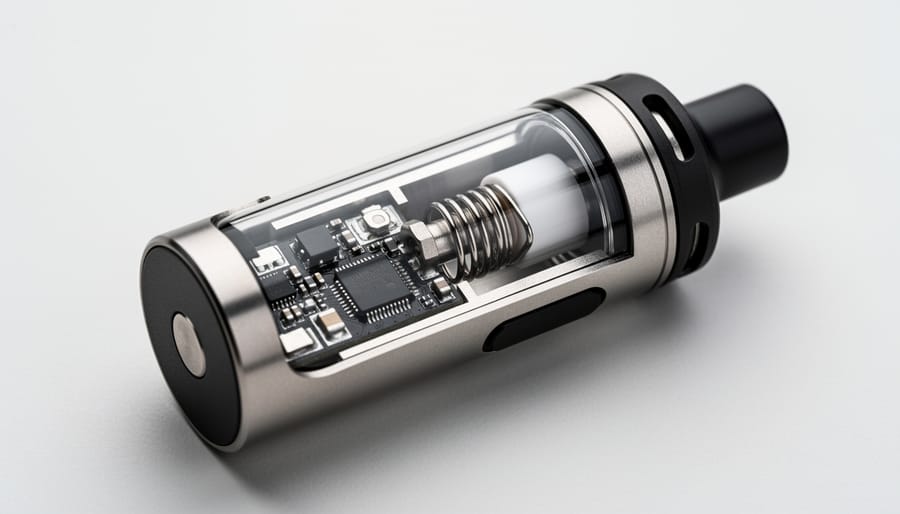
Temperature control in modern vaping devices relies on a coordinated system of sensors and microprocessors working together. At the heart of this technology sits a temperature coefficient of resistance (TCR) sensor built into the heating coil itself. As the coil heats up, its electrical resistance changes in predictable ways. The device’s chipset continuously monitors these resistance fluctuations, measuring them hundreds of times per second.
When you set a target temperature on your device, the chipset calculates the exact power output needed to reach and maintain that level. If the coil starts getting too hot, the chip automatically reduces wattage or briefly cuts power altogether. This prevents the temperature from overshooting your chosen setting.
The sophistication of device innovations in 2026 means these adjustments happen instantaneously, creating a consistent experience from the first draw to the last. Different coil materials have distinct TCR values, nickel, titanium, and stainless steel each respond differently to heat, so modern chipsets include presets for various wire types.
More advanced devices let you fine-tune TCR settings manually, accommodating specialty coil materials or hybrid builds. Some incorporate dual-sensor systems that cross-reference coil resistance data with ambient temperature readings, compensating for environmental factors that might affect accuracy. This level of precision gives users reliable control over their vaping temperature, which influences both flavor production and vapor consistency.
Temperature control isn’t just a convenience feature, it directly influences what compounds form when e-liquid vaporizes. When devices heat coils beyond optimal ranges, the chemical breakdown of e-liquid ingredients accelerates, potentially creating byproducts that wouldn’t exist at lower temperatures.
Research has generally indicated that higher temperatures can lead to the formation of certain aldehydes and other thermal degradation products. The type and concentration of these compounds vary based on the specific temperature, the coil material, and the e-liquid formulation itself. This relationship explains why temperature regulation has become a focal point in device innovation.
The practical implication is straightforward: maintaining consistent, moderate temperatures typically produces a cleaner vapor profile. Most modern devices with temperature control aim to keep the heating element within a range that vaporizes e-liquid efficiently without pushing ingredients into thermal breakdown territory. Users who understand this relationship can make more informed choices about their device settings.
Beyond compound formation, temperature affects the throat sensation, vapor density, and flavor quality. Finding the right balance means selecting a temperature that delivers the desired experience while staying within the device manufacturer’s recommended parameters. Temperature control technology essentially automates this balance, preventing the spike conditions that produce the highest concentrations of unwanted byproducts.
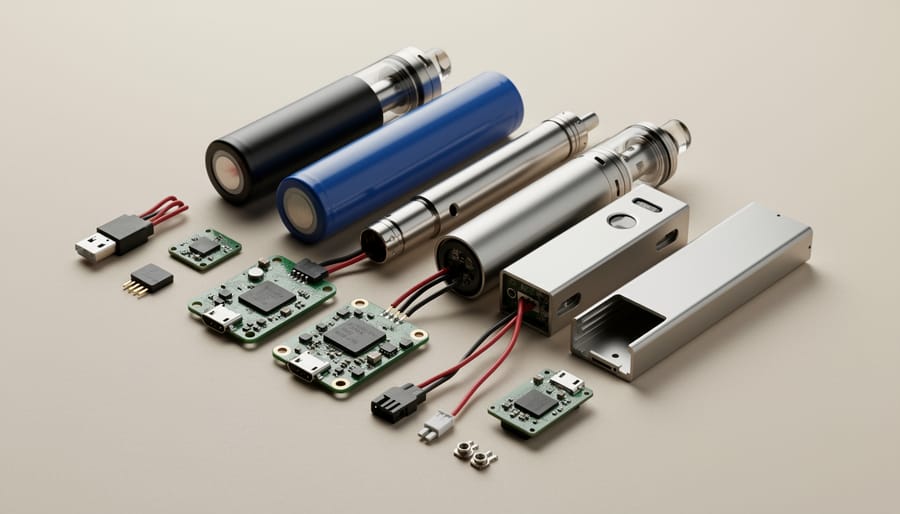
Today’s vaping devices incorporate multiple layers of protection that weren’t standard even a few years ago. The 2026 safety tech built into quality devices addresses the most common battery-related risks through automated monitoring systems.
Overcharge protection prevents batteries from accepting power beyond their rated capacity, which can cause degradation or thermal events. When your device reaches full charge, the protection circuit cuts off the charging current automatically. Short-circuit prevention works by detecting abnormal electrical paths and immediately interrupting power flow before damage occurs.
Most contemporary devices also feature automatic shutoff mechanisms that activate after a preset duration of continuous use, typically 8-10 seconds. This prevents the coil from overheating and protects both the device and the user from extended heating cycles. Temperature monitoring chips track the battery’s internal heat levels and reduce or stop power delivery if temperatures approach unsafe thresholds.
Additional protections include low-voltage cutoffs that prevent battery over-discharge, and reverse polarity protection in devices with removable batteries. These features work together as fail-safes, reducing the likelihood that a single malfunction leads to a serious problem. While no system is foolproof, understanding these built-in protections helps users recognize quality devices and appreciate why proper charging practices still matter.
Battery capacity, measured in milliampere-hours (mAh), directly determines how long a device can operate between charges. Entry-level devices typically feature 650-1000mAh batteries, suitable for occasional users who vape a few sessions daily. Mid-range options with 1500-2500mAh batteries serve moderate users comfortably, while high-capacity devices exceeding 3000mAh cater to frequent users or those who prefer extended sessions without interruption.
The relationship between battery capacity and performance extends beyond simple duration. Higher-capacity batteries maintain more consistent power output throughout discharge cycles, delivering stable vapor production from full charge to near-depletion. Smaller batteries may experience performance degradation as they drain, affecting both vapor quality and flavor intensity during the final portion of their charge cycle.
Wattage requirements significantly impact battery life. Devices operating at higher wattages drain batteries faster, meaning a 3000mAh battery powering a 75-watt session depletes considerably quicker than the same battery at 25 watts. Users who prefer intense, high-temperature sessions should prioritize larger battery capacities or consider devices with replaceable batteries for uninterrupted use.
Form factor creates a practical trade-off. Compact, portable devices sacrifice battery capacity for convenience, while larger box-style devices accommodate substantial batteries but reduce portability. Your usage pattern should guide this choice: all-day users away from charging sources benefit from maximum capacity, whereas home users can opt for smaller devices with more frequent charging.
Charging speed also varies with capacity. Fast-charging capabilities in modern devices can replenish batteries to 80 percent in under an hour, though larger batteries naturally require longer charging periods than compact alternatives.
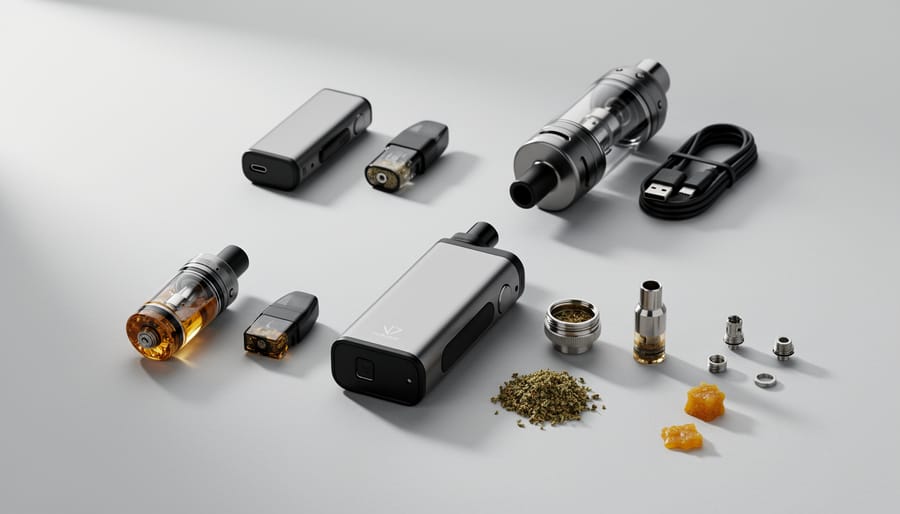
Modern vaping devices have evolved beyond single-purpose designs to accommodate e-liquids, concentrates, and dry herbs through adaptable chamber systems and versatile heating elements. This shift reflects user demand for devices that can handle different materials without requiring multiple separate units.
The key to multi-material compatibility lies in interchangeable heating chambers and atomizers designed for specific material types. E-liquid tanks use wicked coils that draw liquid to the heating element, while concentrate chambers typically feature ceramic or quartz surfaces that can handle thicker consistencies and higher temperatures. Dry herb chambers incorporate conduction or convection heating methods, with some devices offering removable oven chambers that users can swap based on their preferred material.
Temperature adaptability plays a crucial role in this versatility. Different materials vaporize effectively at different temperature ranges: e-liquids generally vaporize between 200-250°C (392-482°F), concentrates require 315-400°C (600-750°F), and dry herbs typically vaporize at 180-220°C (356-428°F). Devices marketed as multi-material compatible include chipsets that allow users to select appropriate temperature profiles for each material type.
Some manufacturers design all-in-one devices with built-in material switching, while others offer modular systems where users purchase separate attachments for different materials. When selecting a multi-material device, consider whether you’ll genuinely use all compatible materials, as dedicated single-material devices often deliver better performance for users with consistent preferences. Check that any multi-material device provides adequate temperature control and appropriate chamber design for your primary vaping material.
Modern vaping devices offer unprecedented control through adjustable settings that let users fine-tune their experience. Wattage adjustment stands as the foundation of these custom vaping setups allowing you to increase or decrease power output to match your preferred vapor density and throat sensation. Lower wattages typically produce cooler, less intense vapor, while higher settings create warmer, denser clouds.
Airflow control represents another crucial customization feature. By adjusting intake vents, you can shift between a tight, cigarette-like draw and an open, airy inhale that maximizes vapor production. This flexibility matters because different materials and personal preferences call for different airflow configurations.
Many innovative devices also include voltage control, which offers similar customization to wattage adjustment but approaches power management differently. Advanced units let you create and save multiple profiles, storing your preferred combinations of wattage, temperature, and airflow for different situations or materials. Some devices include preheat functions that apply a brief power boost at the start of each session, ensuring consistent vapor production from the first draw.
These adjustable features transform vaping from a one-size-fits-all activity into a personalized experience. The trade-off is complexity, more options mean more to learn, but manufacturers increasingly include preset modes and simplified interfaces to help beginners navigate these capabilities while experienced users retain full manual control.
Most users find optimal flavor and vapor production between 350°F and 450°F (175°C-230°C), though the ideal setting depends on your specific device, material, and personal preference. Start at a lower temperature and gradually increase until you find what works best for you.
Battery lifespan varies by usage patterns, but most rechargeable batteries begin showing reduced capacity after 300-500 charge cycles. If you notice significantly shorter session times or difficulty holding a charge, it’s time for a replacement.
Many modern devices offer multi-material compatibility through interchangeable chambers or coils, but you should always verify your specific model’s capabilities before switching between e-liquids, concentrates, or dry herbs. Using incompatible materials can damage the device or produce poor results.
Essential safety features include overcharge protection, short-circuit prevention, automatic shutoff mechanisms, and temperature monitoring. Reputable manufacturers build these protections into their devices as standard features to prevent battery-related incidents.
Understanding these practical aspects helps you make informed decisions about device selection and usage. New users often wonder whether they need advanced features like temperature control from the start. While beginners can certainly benefit from devices with preset temperature modes, experienced users typically appreciate the granular control that fully adjustable systems provide.
Battery maintenance remains one of the most overlooked aspects of safe vaping. Keeping batteries clean, avoiding extreme temperatures during storage, and using the manufacturer-recommended charger all extend battery life and maintain safety margins. Never carry loose batteries in pockets or bags where metal objects might create unwanted connections.
The customization options in innovative devices exist for good reason. Airflow adjustments affect vapor density and throat sensation, while wattage controls influence heating speed and intensity. Experimenting with these settings within your device’s specified ranges lets you tailor the experience without compromising safety or device longevity.
Understanding these three facts about vaping technology empowers you to make smarter choices in 2026’s evolving landscape. Temperature control, battery safety innovations, and customization options aren’t just technical features, they’re fundamental considerations that directly impact your vaping experience and safety profile.
As vaping devices continue advancing, staying informed becomes increasingly valuable. The technology inside modern devices has evolved considerably from earlier generations, offering more control and built-in safeguards than ever before. However, these innovations only benefit you when you understand how they work and how to use them properly.
When selecting a vaping device, prioritize evidence-based decision-making over marketing claims. Look for devices with transparent specifications, established safety features, and customization options that match your specific needs. Whether you’re new to vaping or upgrading from an older device, understanding temperature ranges, battery protection mechanisms, and material compatibility helps you choose equipment that aligns with both your preferences and safety considerations.
The vaping industry will keep innovating, but your foundation of knowledge about these core technological aspects positions you to evaluate new developments critically and make informed choices that serve your individual circumstances.