Related Posts

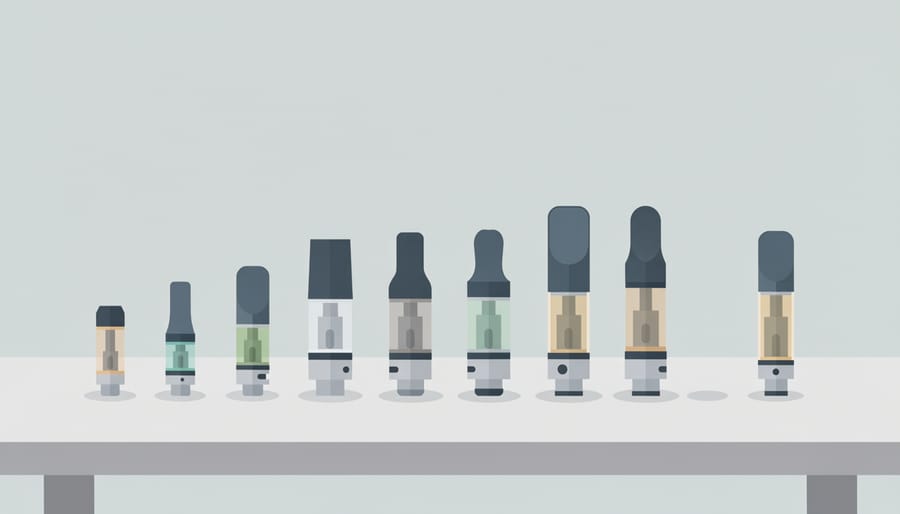
Vape cartridges fall into seven main types: THCa carts, THC-H carts, standard prefilled cartridges, refillable cartridges, pod-style replacement cartridges, nicotine e-liquid cartridges, and CBD cartridges. The right one depends on three things: what’s inside, whether you can refill it, and whether it physically fits your device.
That last point trips up beginners most. A cartridge is only useful if it works with your battery or pod system, and some formats are locked to a single brand. Others use a common connection that fits many compatible devices.
The contents matter just as much. THCa carts hold concentrated THCa extracts and are known for fast-acting, discreet use. THC-H carts contain tetrahydrocannabihexol, a cannabinoid first described in a 2019 research paper, and Binoid sells what it calls the first 1 gram THC-H cartridges on the market. Nicotine and CBD cartridges serve entirely different goals, so the categories below are sorted by purpose as well as hardware.
Rules also differ by product and location, so check your local vaping laws before buying. Below, each type gets its own section, followed by a comparison table and quick answers to common questions.
Every cartridge on this list is grouped three ways: by what’s inside (nicotine, THC-H, THCa, or CBD), by how it’s filled, and by how it connects to a device. That framing keeps the types distinct, since a single product can overlap categories. A THC-H cart, for instance, is a prefilled cartridge built for a compatible vaping device, so contents and fill style both matter.
Within each type, we compare the same set of factors:
We left price out on purpose. Current pricing wasn’t verified, and quoting stale numbers would only mislead you.
The aim here is evidence-based, general guidance, not a brand ranking. Where a specific product helps illustrate a category, we mention it as an example, not an endorsement. Always check your local laws and confirm compatibility before you buy.
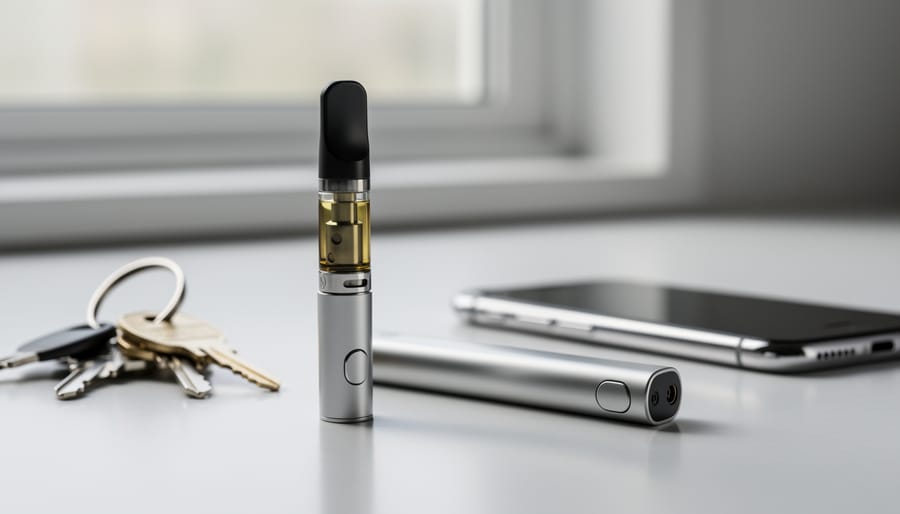
THCa vape carts are cartridges filled with concentrated THCa extracts, built to work with a compatible vape battery. THCa is the raw, acidic form of THC found in the cannabis plant before it’s heated. Vaping applies heat, which is why this format is popular: the cartridge is essentially a ready-made delivery system for that concentrated extract.
The appeal comes down to two things. Consumption is fast-acting, and it’s discreet. A cart and a small battery fit in a pocket, and there’s no grinding, rolling, or lingering smoke to deal with. Many carts also aim to preserve the plant’s natural terpenes, the aromatic compounds that shape flavor and scent, so the taste tends to be a selling point rather than an afterthought.
That mix of convenience and potency is a big reason THCa carts are described as gaining popularity in 2026. They’re simple to use, which makes them easy to recommend as a first look at the concentrate category, though “simple” doesn’t mean “risk-free,” and the evidence on long-term effects is still limited.
Two practical checks before you buy. First, confirm the cart is compatible with the battery you already own, since a mismatch can mean it won’t fit or won’t heat properly. Second, check your local laws. THCa products sit in a legal gray area in some places, and the rules can differ sharply from one location to the next.
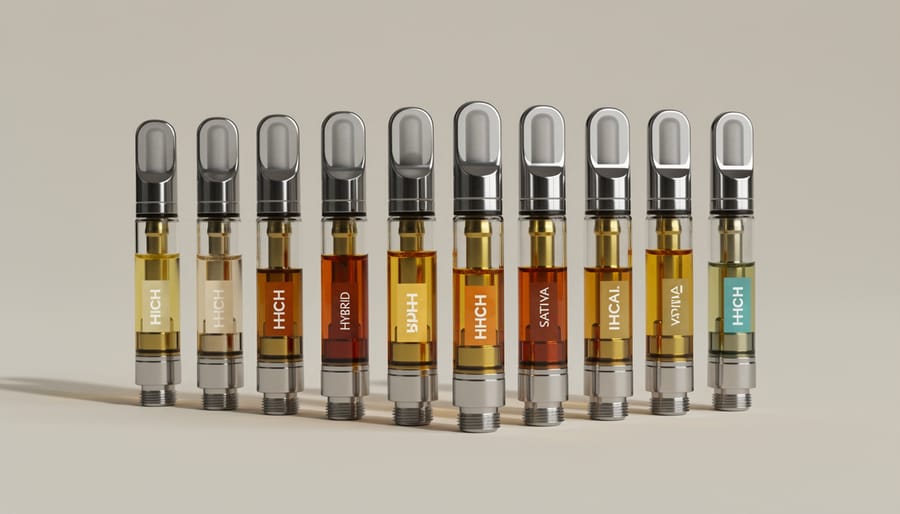
THC-H vape carts are prefilled cartridges that contain tetrahydrocannabihexol, usually shortened to THC-H, and they’re meant to be used with a compatible vaping device. You don’t fill anything yourself. You attach the cartridge to a matching battery and you’re set. That makes them one of the simpler formats on this list, though the compound inside is far less familiar than nicotine or CBD.
The background matters here. THC-H was formally introduced in a 2019 research paper, which means the scientific record is still thin. There’s much less published data on it than on better-known cannabinoids, so it’s wise to treat any big claims about effects with some skepticism.
On the product side, Binoid THC-H Vape Carts were the first 1 gram THC-H cartridges on the cannabis marketplace, and they’re readily available. Brands in this space tend to compete on strain variety rather than on the cartridge hardware itself. Commonly listed options include Sour Tsunami, Death Star, Birthday Cake, and Diamond OG, which gives shoppers a sense of the flavor range on offer.
Because these are prefilled, the same compatibility rule applies as with any sealed cartridge: check that the cart’s connection type matches your battery before you commit. Pricing isn’t covered here, since current figures weren’t verified.
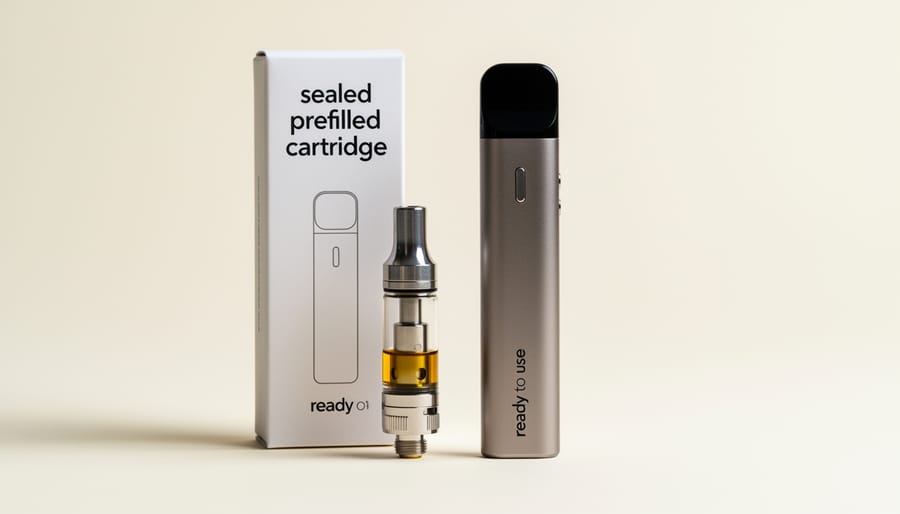
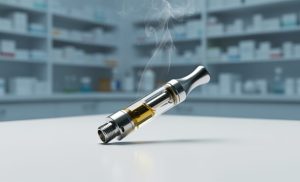
Standard prefilled cartridges are sealed units that come already loaded with oil or liquid. You attach one to a compatible battery or device, and you’re ready to go. There’s no filling, no measuring and no mess, which is why this format is the easiest entry point for beginners.
The biggest draw is consistency. Because the manufacturer fills and seals each cartridge, the flavor and the amount of liquid stay the same from one cart to the next. That makes dosing more predictable than with a refillable setup, where the result depends on what you pour in. The same format covers products like the THCa and THC-H carts described earlier, which are also sold as prefilled cartridges.
The trade-off is flexibility. You can’t change what’s inside, and once the cartridge is empty you generally replace it instead of reusing it. If you want to swap liquids or fine-tune your setup, a prefilled cart won’t give you that room.
Compatibility matters more than anything else here. Most prefilled cartridges use a 510 thread, which is simply a standard screw-on connector found on a wide range of batteries. A 510 cart will fit a 510 battery, but it won’t fit a proprietary pod device. Before you buy, check the thread type on the cartridge and on your battery. A mismatch means it won’t connect properly, so confirm the fit first.
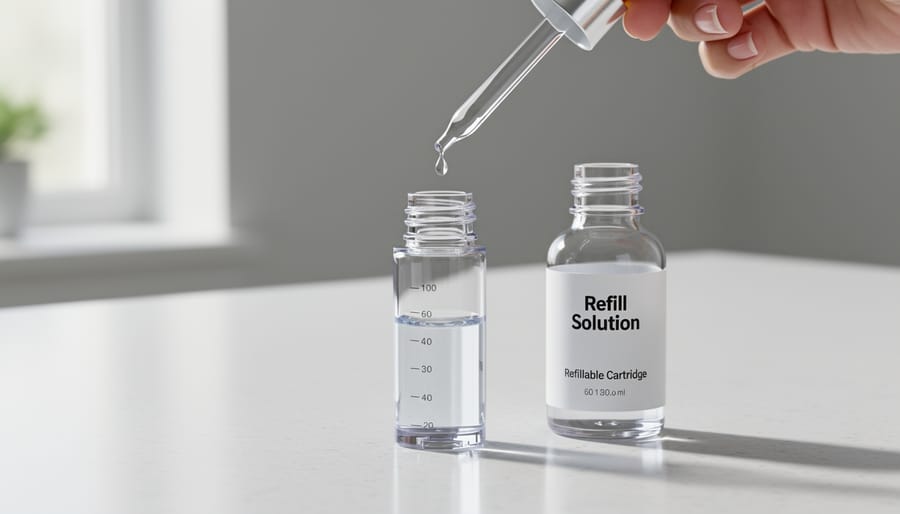
Refillable cartridges and tanks put the filling step in your hands. Instead of a sealed unit, you open the tank, add the liquid you’ve chosen, and close it back up. That one difference changes almost everything about how they behave.
The biggest upside is control. You decide what goes in, so you can switch flavors, adjust nicotine strength within what’s legal where you live, or move between liquids without replacing the whole cartridge. Capacity is also more flexible, since many tanks hold more than a standard prefilled unit. Over a long stretch of use, buying liquid in bulk can work out cheaper than replacing sealed cartridges, though the savings depend on what you buy and how often you vape.
The trade-off is upkeep. You’ll need to clean the tank, watch the coil, and replace parts as they wear. Leaks are more common, especially if you overfill or fail to seal the tank properly. Getting the filling technique right also takes a few tries.
A few safe-handling habits help:
– Fill slowly and stop below the maximum line.
– Wipe away spills before charging or using the device.
– Store liquid upright, capped, and out of reach of children and pets.
– Check that the tank thread matches your battery before assembling.
Because of the extra steps and the learning curve, refillables tend to suit experienced users better than beginners.
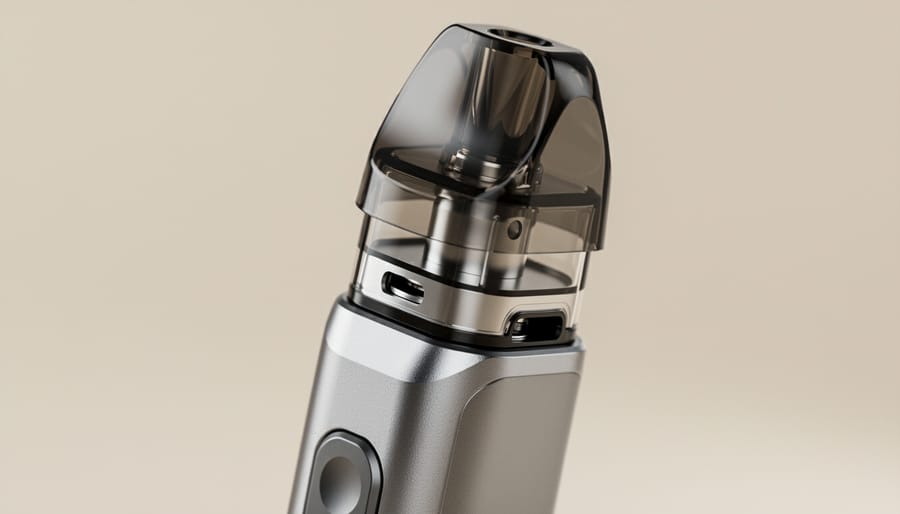
Pod-style cartridges work differently from the universal-thread kind. Instead of screwing onto any compatible battery, these replacement pods are built for one specific device, so the fit comes from the brand’s own design rather than a shared standard. Top-fill pods in the style of the OXVA XLIM, and pods in the OnlyClouds mold, are common examples of this category. In a closed system like this, the device and the pod are meant to be used together.
That brand-specific fit is the main thing to check before you buy. A pod that looks similar to yours may not seat properly, may not make the electrical connection it needs, or may leak. Treat the device name and model as your compatibility check, not the shape of the pod.
Once you’ve confirmed the fit, a few comparison points are worth weighing:
– Capacity: Pods hold different amounts of liquid, which affects how often you refill or replace them. Check the manufacturer’s listing rather than assuming a size.
– Resistance options: Some pod lines offer more than one coil resistance, which changes how the vapor feels and how the device behaves. Lower and higher resistance coils suit different preferences, so look at what your device supports.
– Fill style: Top-fill designs let you refill without taking the pod apart, while sealed pods are replaced when empty.
Avoid mixing pods across devices, even when they seem close. Using an incompatible pod can mean poor performance at best and leaking or damage at worst. When in doubt, stick to pods the device maker lists for your exact model.
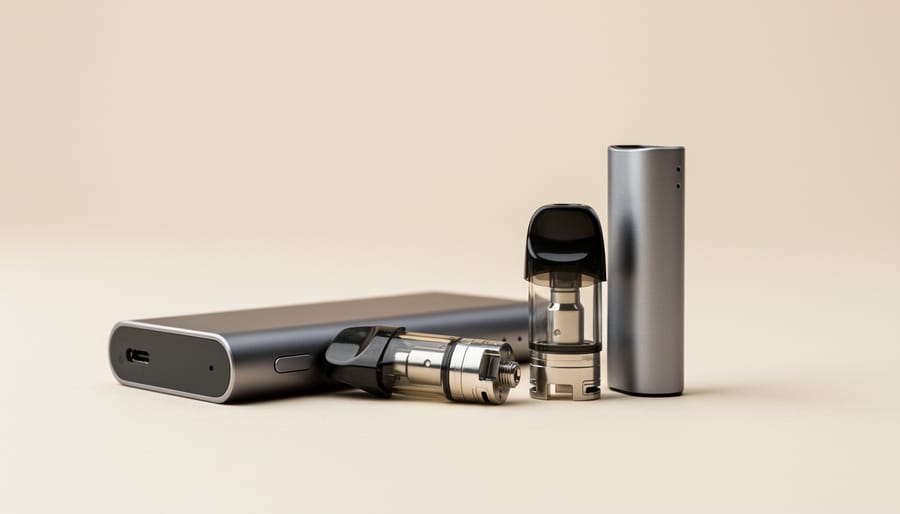
Nicotine cartridges and pods were the format that started it all for many people trying to vape instead of smoking. They hold e-liquid containing nicotine, and they either snap into a device as a sealed pod or attach to a battery.
Two things shape how they feel: strength and nicotine type. Strength is usually labeled in milligrams per milliliter, and higher numbers hit harder. Freebase nicotine gives a sharper throat sensation and is common in lower strengths. Nicotine salts are formulated to feel smoother at higher strengths, which is why they show up in many compact pod systems. If your device is a closed system, the pod you need depends on the brand, so check fit first. And if you ever hit a cartridge not working problem, or run into coil issues a mismatched pod or a worn coil is often the first thing to rule out.
Rules vary a lot by country. Some places cap nicotine strength or tank size, others restrict flavors or sales, so check what applies where you live.
Keep the health picture in view too. Nicotine is addictive, and public health bodies such as the CDC and the World Health Organization note that vaping is not risk-free. Non-smokers, young people and pregnant people are generally advised not to start.
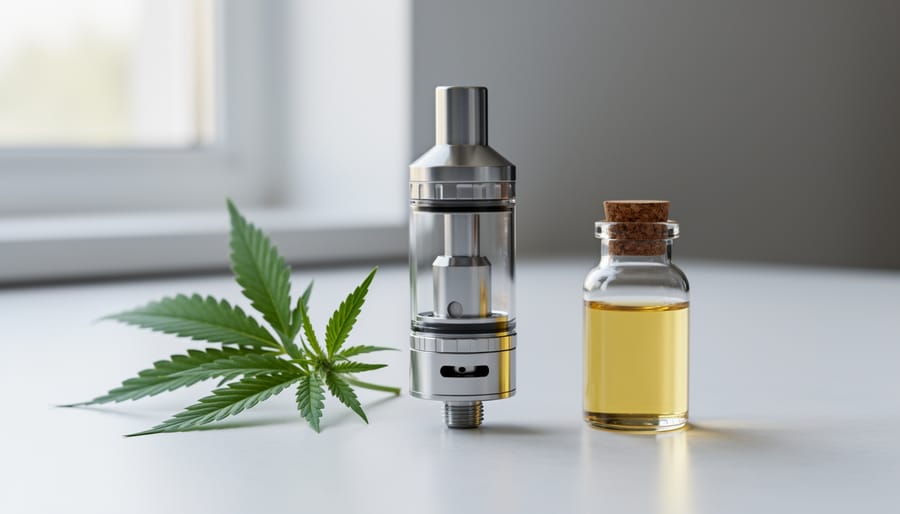
CBD vape cartridges contain cannabidiol, a cannabinoid from the hemp or cannabis plant that doesn’t produce the intoxicating high associated with THC. That’s the core difference from THCa and THC-H carts, which are built around cannabinoids with psychoactive potential. Most CBD carts come prefilled and fit a compatible battery, so the same thread-and-fit checks apply here as with any other prefilled cartridge.
What’s inside varies more than the packaging suggests. Some carts use pure CBD isolate, others use full-spectrum or broad-spectrum extracts that keep additional hemp compounds, and many add terpenes for flavor. Because the category is loosely standardized, the label is only as trustworthy as the company behind it.
That’s why third-party lab testing matters. A reputable brand publishes a certificate of analysis (COA) tied to your specific batch, showing the actual CBD content and screening for contaminants like heavy metals, pesticides, and residual solvents. Look for a QR code or batch number on the box, and be wary of products that can’t point you to one.
Legal status and product quality differ by country and region, so check your local rules before buying. And while interest in CBD is high, the evidence for many health claims is still developing. If you want to see what studies show about vaping more broadly, it’s worth reading the research directly rather than relying on marketing language.
I’ve put the quick comparison in a table below. It avoids prices because current pricing wasn’t verified.
| Type | Typical contents | Fill style | Device fit | Key consideration |
|—|—|—|—|—|
| THCa carts | Concentrated THCa extract | Prefilled | Compatible vape battery | Check local laws and battery match |
| THC-H carts | Tetrahydrocannabihexol (THC-H) | Prefilled | Compatible vaping device | Research is still limited |
| Standard prefilled | Varies by product | Sealed, prefilled | Often a 510-thread battery | Confirm compatibility first |
| Refillable | Liquid of your choice | You fill it | Depends on the tank or cartridge | More upkeep and leak risk |
| Pod-style | Varies by device | Replacement pod | Tied to a specific device | Don’t mix incompatible pods |
| Nicotine e-liquid | Nicotine e-liquid | Prefilled or refillable | Pod or cartridge systems | Nicotine is addictive |
| CBD carts | CBD extract | Usually prefilled | Compatible battery | Look for third-party lab results |
Most cartridge confusion comes down to a handful of recurring questions, so here are the ones readers raise most often.
A cartridge usually threads onto a universal battery, while a pod is built for a specific device and snaps in. The practical difference is compatibility: pods are tied to a brand, cartridges are generally not.
No. Thread style, voltage and connection type all matter, so check that a cart and battery are designed to work together before you buy. A THCa or THC-H cart, for example, is meant for use with a compatible device or battery.
THC-H is tetrahydrocannabihexol, a cannabinoid formally introduced in a 2019 research paper, so research on it is still limited. THCa carts hold concentrated THCa extracts instead, and both are typically offered as fast-acting, discreet options.
Neither is better across the board. Refillable models give you more control but need upkeep and carry a leak risk, while prefilled cartridges trade flexibility for convenience.
Safety is the question that deserves the most care. Look for a certificate of analysis from an independent lab, clear labeling of contents, and a seller who can show where the product came from. Rules on what’s legal differ by location, so confirm your local laws before choosing any type.
Every cartridge on this list comes down to the same sequence of decisions. Start with what physically connects to your device, whether that’s a standard thread or a pod built for one brand. Then look at what’s inside and how it’s filled, since a prefilled THCa or THC-H cart, a refillable tank, and a nicotine or CBD pod each suit different needs.
Rules and product quality vary widely, so a little checking up front saves you from a cart that doesn’t fit, doesn’t perform, or isn’t legal where you are.