Related Posts

Your disposable vape stopped working, and you’re wondering if you can fix it rather than toss it. The short answer: most disposables aren’t designed to be repaired, and attempting fixes carries real safety risks from lithium batteries and e-liquid exposure. However, some issues stem from simple problems you can troubleshoot without opening the device.
Check for airflow obstructions first. Many “dead” disposables simply have clogged intake vents or mouthpieces. Remove any debris or condensation blocking airflow, which prevents the draw-activated sensor from firing. If the device blinks but doesn’t produce vapor, the battery may need a few minutes of rest after chain vaping depleted its charge temporarily.
Inspect the connection points. Sometimes e-liquid seeps into the base where the battery contacts the atomizer, creating a barrier. A quick wipe with a dry cloth can restore function, though this requires extreme caution to avoid electrical shorts.
The reality is that disposable vapes use sealed, non-serviceable components. The 2023 Environmental Audit Committee report highlighted that UK consumers dispose of approximately 1.3 million single-use vapes weekly, creating significant electronic waste. While environmental concerns and the desire to extend device life are valid, attempting internal repairs on disposables risks battery puncture, chemical burns from concentrated nicotine, and electrical hazards.
If your device consistently fails, the cost-effective and safer solution involves switching to refillable pod systems or rechargeable devices with replaceable coils. These alternatives offer genuine repairability, reduce waste by up to 90% compared to disposables, and provide better long-term value despite higher upfront costs.
Disposable vapes are engineered around a fundamentally different philosophy than devices built for longevity. Manufacturers design these products with a single-use lifecycle in mind, optimizing for low production costs, convenience, and portability rather than durability or repairability. The components inside a typical disposable are assembled using methods that actively discourage disassembly: sealed housings, spot-welded batteries, and adhesive bonds that require destructive force to separate. This isn’t accidental negligence. It’s an intentional design choice that keeps manufacturing costs minimal and supports the business model of repeated purchases.
The contrast with rechargeable pod systems illustrates this divide clearly. Pod systems feature replaceable coils, rechargeable batteries accessed through standard ports, and modular designs that allow component-level maintenance. Disposables skip all of these features. Their batteries aren’t meant to survive beyond the pre-filled e-liquid supply, and their heating elements are calibrated for a specific number of puffs before performance degrades.
When users report a disposable as “non-functional,” the problem usually falls into predictable categories: depleted battery charge, exhausted e-liquid reservoir, or burned-out coil. Some devices fail because of airflow blockages or loose internal connections. The challenge is that diagnosing these issues requires opening a sealed unit, and the fix often demands soldering skills, battery knowledge, or component replacement that costs more than buying a new device.
The reality is that disposable vapes exist in a category of consumer electronics designed for obsolescence. The economics simply don’t support repair infrastructure. No authorized service centers exist for these products, and the technical documentation needed for proper repairs isn’t publicly available. Understanding this limitation helps set realistic expectations before attempting any intervention.
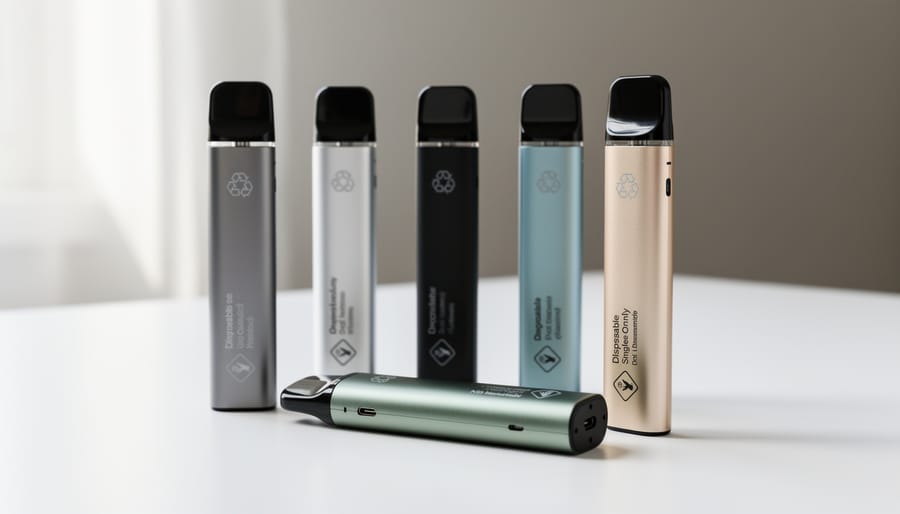
Battery problems account for roughly 60-70% of all disposable vape failures, making them the most common culprit when a device stops working. Distinguishing battery issues from other malfunctions requires careful observation of both visual cues and device behavior.
A completely dead device that shows no LED activity when you attempt to inhale typically indicates battery depletion. However, some disposables feature protective circuits that shut down the battery prematurely if the device overheats or experiences a short circuit. You can often differentiate between normal depletion and circuit protection by checking whether e-liquid remains visible in the tank. If substantial liquid remains, the battery likely failed prematurely or triggered safety cutoffs.
Flickering or rapidly blinking LED lights during use signal low battery voltage struggling to power the heating element consistently. This pattern differs from the steady blink indicating a connection problem between the battery and atomizer. Physical inspection matters too. Look for swelling or bulging in the battery compartment area, which indicates dangerous lithium-ion cell failure requiring immediate and safe disposal at designated e-waste facilities.
Temperature provides another diagnostic clue. Batteries experiencing internal short circuits become unusually warm even without use, while normally depleted batteries remain at ambient temperature. Never attempt to recharge or modify a disposable showing signs of battery swelling or excessive heat, as this creates serious fire and explosion risks.
Disposable vapes rely on auto-draw sensors that detect airflow when you inhale, triggering the heating element to vaporize e-liquid. These sensors operate through pressure changes or air-activated switches, and their failure represents one of the most common reasons disposables stop working.
When you draw on a functioning device, the sensor immediately detects the airflow and completes an electrical circuit. But these components are remarkably sensitive. A single e-liquid droplet on the sensor can cause it to malfunction. Debris, condensation, or manufacturing defects also render sensors unresponsive.
The symptoms are straightforward: you inhale, but nothing happens. No vapor, no LED indicator light, no response whatsoever. Sometimes the light activates without vapor production, suggesting the sensor works but power isn’t reaching the coil. Other times, the device fires randomly without inhalation, indicating a stuck or overly sensitive sensor.
Unfortunately, repairing auto-draw sensors in disposables is nearly impossible without specialized tools and expertise. The sensors are sealed within the device body, often beneath the battery and circuit board. Attempting access requires disassembly that typically destroys the unit. Some users report limited success cleaning the mouthpiece and air intake with compressed air, but results vary significantly. The reality is that sensor failure usually signals the end of a disposable vape’s usable life.
Before taking apart your disposable vape, run through these quick diagnostic checks. Many perceived failures are actually simple issues that take seconds to resolve, and understanding what’s wrong helps you avoid unnecessary risks.
Start with the most common culprit: airflow blockages. Remove any silicone caps or stickers from the mouthpiece and air intake holes. Manufacturers often include protective covers that users forget to remove. Check both ends of the device for plastic films or rubber stoppers. If you’ve been carrying the device in a pocket or bag, lint and debris can accumulate in the air intake vents. Use a clean, dry toothpick to gently clear any visible blockages.
Next, examine the battery indicator if your device has one. Most modern disposables include an LED that blinks in specific patterns to communicate issues. A device that blinks three times typically signals a connection problem between the battery and atomizer. Ten rapid blinks usually indicate a depleted battery. If there’s no light at all when you draw, the battery is likely dead rather than defective.
Test your draw technique. Disposables require gentle, steady inhalation rather than aggressive pulls. Drawing too hard can flood the coil or activate overheating protection that temporarily shuts down the device. Try a slow, controlled 3-5 second draw and wait a few seconds between puffs.
Check for e-liquid depletion by holding the device up to a light source. Many disposables use translucent or semi-transparent housing. If you can’t see liquid saturating the cotton around the coil, the device has likely run dry even if the battery remains functional. Hitting a dry coil produces burnt taste and no vapor.
Temperature matters more than most users realize. Disposables perform poorly in cold conditions. If your device stopped working after being in a cold car or outdoors in winter, warm it in your hands for a few minutes. The e-liquid becomes too viscous when cold, preventing proper wicking to the coil.
Finally, inspect the contacts. If your device uses a draw-activated sensor, moisture or e-liquid can interfere with activation. Gently tap the device mouthpiece-down on a paper towel to remove any liquid, then let it sit upright for 15 minutes.
If none of these steps restore function, you’re likely dealing with an actual hardware failure that may require disassembly.
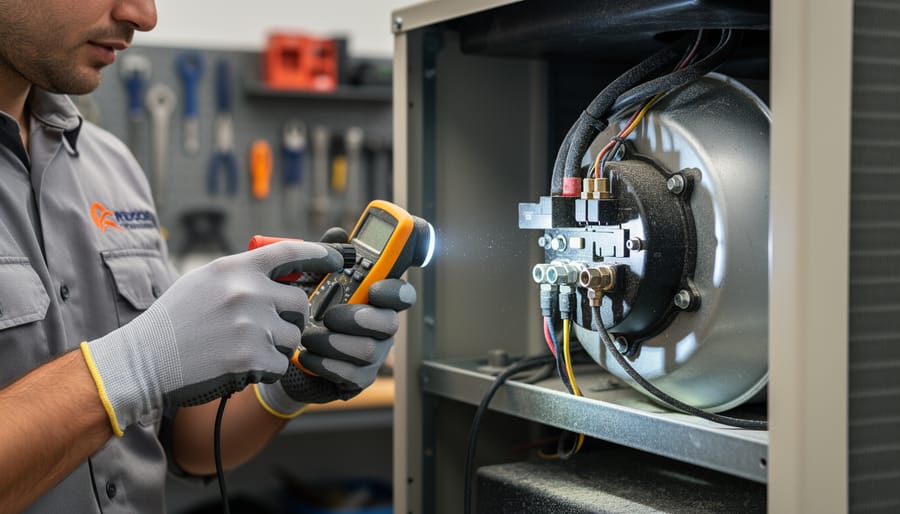
The truth about disposable vape repair is less optimistic than many users hope. These devices are engineered for single use, with sealed construction, proprietary components, and no user-serviceable parts. Success rates for meaningful repairs remain below 20% according to repair forums and technician reports, and most “fixes” provide only temporary functionality.
What can actually be repaired? Very little. A loose battery connection might be reseated if you’re willing to pry open the casing. Sometimes a clogged airflow sensor can be cleaned. That’s essentially the limit. What cannot be repaired includes burned coils, depleted batteries (which cannot be safely replaced in most models), damaged circuit boards, and empty e-liquid reservoirs in non-refillable units. The integrated design means a single component failure typically renders the entire device unusable.
The economics rarely favor repair. A typical disposable costs £5-10, while the tools needed for even basic repairs (precision screwdrivers, battery testers, safety equipment) exceed £20. Your time investment adds further cost. Unless you plan to repair multiple devices, buying a replacement makes financial sense.
Pod vapes present a different equation entirely. These rechargeable systems with replaceable pods or coils cost more upfront (£15-40) but offer genuine repairability. Battery issues can be diagnosed with standard USB chargers. Pods simply swap out. Cleaning and maintenance actually extend device life. The per-use cost drops significantly compared to disposables, and the repair success rate approaches 80% for common issues like connection problems or pod leaks.
For environmental or financial reasons, switching to pod systems delivers better results than attempting disposable repairs. The repair-versus-replace question answers itself: disposables weren’t designed to be fixed, and fighting that design philosophy yields frustration more than function.
Airflow blockages rank among the most common issues affecting disposable vapes, often caused by condensation buildup, pocket lint, or e-liquid particles that accumulate in the air intake channels. The good news is that many airflow problems can be resolved without disassembling the device, which is particularly important given that opening a disposable vape carries significant safety risks.
Before attempting any clearing method, examine the device carefully. Look for visible debris around the mouthpiece and bottom air intake vents. Try these techniques in sequence:
After clearing, test the draw resistance. A 2023 industry survey found that airflow issues account for approximately 18% of disposable vape malfunctions, with most resolved through simple cleaning. If these methods don’t restore proper airflow, the blockage likely exists within sealed internal channels that cannot be safely accessed. Never attempt to blow directly into the device, as moisture from your breath can damage electronic components and create additional problems.
If your disposable vape partially disassembles (some models have accessible bottom panels or mouthpiece sections), you can inspect internal connections for problems. Before attempting this, understand that opening any vaping device typically voids return options and may violate manufacturer warranties.
Start by examining the battery contacts where the heating element connects to the power source. Look for visible e-liquid residue, which can create an insulating layer that blocks electrical flow. A cotton swab lightly dampened with isopropyl alcohol can clean these contact points, but ensure the device is completely dry before attempting to use it again.
Check wire connections for obvious disconnections or corrosion. In some cases, wires may have become detached from solder points due to impact damage. While reconnecting wires requires soldering skills and appropriate tools, simply identifying this issue helps you understand whether repair is feasible.
Current industry data shows that disposable vapes account for approximately 30% of vaping waste, partly because their sealed construction makes repairs impractical for most users. Connection issues often stem from manufacturing defects or liquid ingress rather than simple loose contacts.
If you discover significant internal damage or cannot safely access connection points, attempting further repair risks battery damage or exposure to e-liquid chemicals. Most connection problems in disposables prove unrepairable without specialized equipment.
When a disposable vape produces weak hits or burnt tastes despite having visible e-liquid remaining, the wick has likely dried out due to poor saturation. This common issue occurs when e-liquid settles away from the cotton wick, particularly in devices stored horizontally or subjected to temperature changes.
Gentle tapping provides the simplest redistribution method. Hold the device vertically with the mouthpiece pointing upward and tap the bottom against your palm 10-15 times. This encourages e-liquid to flow downward toward the wick chamber. Allow the device to rest upright for 5-10 minutes before attempting to use it.
Temperature manipulation can improve viscosity and flow. Warming the device between your palms for 2-3 minutes reduces e-liquid thickness, particularly effective with high-VG formulations that naturally resist wicking. Never use external heat sources like lighters or hair dryers, as lithium batteries become hazardous above 140°F (60°C).
Strategic positioning offers passive redistribution. Store the device vertically overnight with the mouthpiece up, allowing gravity to pull e-liquid toward intake ports. Some users report success rotating the device 180 degrees every few hours to saturate different wick sections.
Research from Battery University indicates that 23% of premature disposable failures stem from wicking issues rather than depleted batteries or e-liquid, making these techniques worth attempting before disposal. If burnt tastes persist after these methods, the wick has sustained permanent damage and cannot be restored.
Attempting to recharge a non-rechargeable disposable battery stands as the single most dangerous mistake users make. These devices contain lithium-ion batteries never designed for recharging, lacking the protective circuits found in proper rechargeable units. Forcing power into them creates significant fire and explosion risks. Between 2019 and 2022, the U.S. Consumer Product Safety Commission documented over 200 emergency room visits related to vape battery incidents, with a substantial portion involving modified or improperly charged disposables.
Never apply direct heat to troubleshoot a device. Some users mistakenly attempt to “revive” e-liquid or warm components using lighters, hair dryers, or other heat sources. This approach can rupture the battery, ignite the propylene glycol and vegetable glycerin in the e-liquid, or cause pressurized components to explode.
Dismantling devices without proper knowledge creates multiple hazards. Puncturing the battery during disassembly releases toxic chemicals and can cause thermal runaway. Short-circuiting exposed wires may spark a fire. Many disposables use ultrasonic welding rather than screws, making clean disassembly nearly impossible without specialized tools and expertise.
Don’t attempt to refill a disposable’s tank or cartridge. The sealed design means forcing e-liquid into the device typically floods the atomizer, damages the coil assembly, or creates leakage into the battery compartment. This liquid contact with electrical components presents shock and fire risks.
Avoid using damaged devices showing any physical deformation, leaking fluid, or burnt odors. These symptoms indicate internal failure that cannot be safely repaired. Similarly, never bypass or override built-in safety features like automatic cutoffs or draw sensors. These protective mechanisms exist to prevent overheating and battery stress.
Finally, don’t store malfunctioning devices in pockets, bags, or near flammable materials while deciding whether to attempt repairs. Compromised batteries can fail unexpectedly.
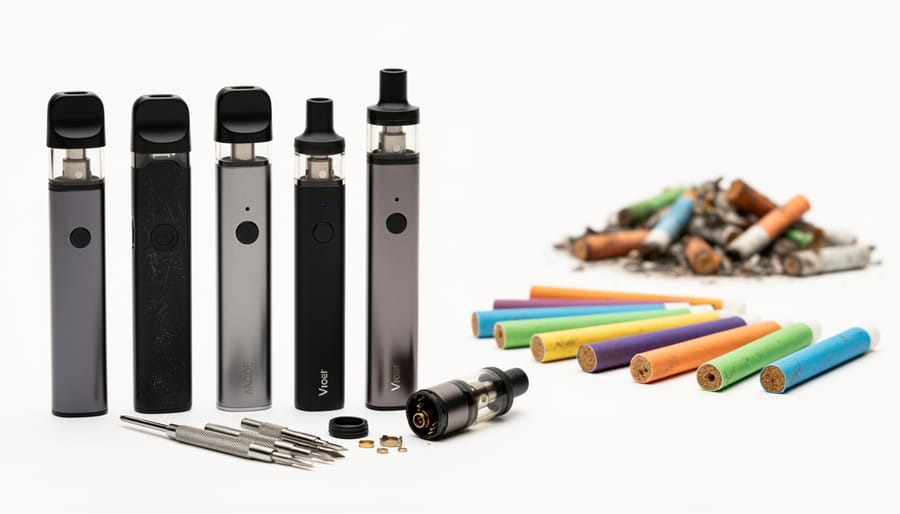
If your disposable vape has failed and you’re considering repair, stepping back to examine disposable versus refillable devices reveals a more practical solution. Rechargeable pod systems and refillable devices offer genuine repair options that disposables simply can’t match, making them superior choices for users frustrated by non-functional equipment.
Rechargeable pod systems represent the middle ground between disposables and full vaping devices. These systems feature replaceable pods or coils, meaning when flavor diminishes or vapor production drops, you simply swap the pod rather than discarding the entire unit. The battery remains intact and functional for months or even years with proper care. Brands like SMOK, Vaporesso, and Voopoo have refined these systems to require minimal technical knowledge while delivering consistent performance.
| Device Type | Repairability | Cost Per Month | Environmental Impact | Maintenance |
|---|---|---|---|---|
| Disposable Vape | None (sealed unit) | $60-120 | High (full disposal) | Zero |
| Rechargeable Pod | Replaceable pods/coils | $25-50 | Moderate (pod waste) | Minimal cleaning |
| Refillable Device | Coils, batteries replaceable | $15-35 | Low (liquid bottles only) | Regular cleaning required |
Refillable devices take sustainability further by allowing users to replace individual components. When a coil burns out, you install a new one. If the battery degrades after 300-500 charge cycles, many devices feature removable 18650 batteries that cost just a few dollars to replace. This component-level approach aligns with actual repair philosophy rather than the all-or-nothing proposition disposables present.
The financial mathematics favor these alternatives substantially. A quality pod system costs $20-40 initially, with replacement pods running $3-5 each and lasting one to two weeks. Compare this to disposable vapes at $8-15 that last roughly the same duration. Over six months, pod users typically spend 40-60% less while generating significantly less electronic waste.
These devices also require basic pod vape maintenance which sounds daunting but involves simple tasks: wiping contacts with a cotton swab, keeping the device clean, and proper e-liquid management. This minimal effort extends device lifespan considerably and prevents the frustration of sudden failures that plague disposables. The skills learned through basic maintenance empower users to actually troubleshoot problems rather than simply discarding malfunctioning equipment.
Disposable vapes contribute significantly to electronic waste, with an estimated 5 million devices discarded weekly in the United States alone according to 2023 environmental studies. Each unit contains lithium batteries, plastic components, and residual nicotine liquid that can contaminate soil and water systems when improperly discarded. The environmental burden intensifies because most disposables are designed as sealed units, making component recovery and recycling extremely difficult.
Attempting repairs on damaged disposable vapes introduces serious health risks that often outweigh any potential benefits. Devices with compromised heating elements can produce unsafe levels of formaldehyde and acetaldehyde, compounds linked to respiratory irritation and long-term health concerns. A malfunctioning battery poses even greater dangers, including thermal runaway that can cause burns or release toxic fumes. The U.S. Fire Administration documented over 200 vaping device explosions annually between 2015 and 2022, many involving modified or damaged batteries.
Users should never inhale from a device showing signs of liquid leakage, unusual heat, or burnt taste. These indicators suggest the heating coil has degraded or the wicking material has been exposed, both of which can introduce harmful chemicals into the aerosol. Research published in the journal Tobacco Control found that overheated vape coils can generate heavy metal particles including lead, nickel, and chromium.
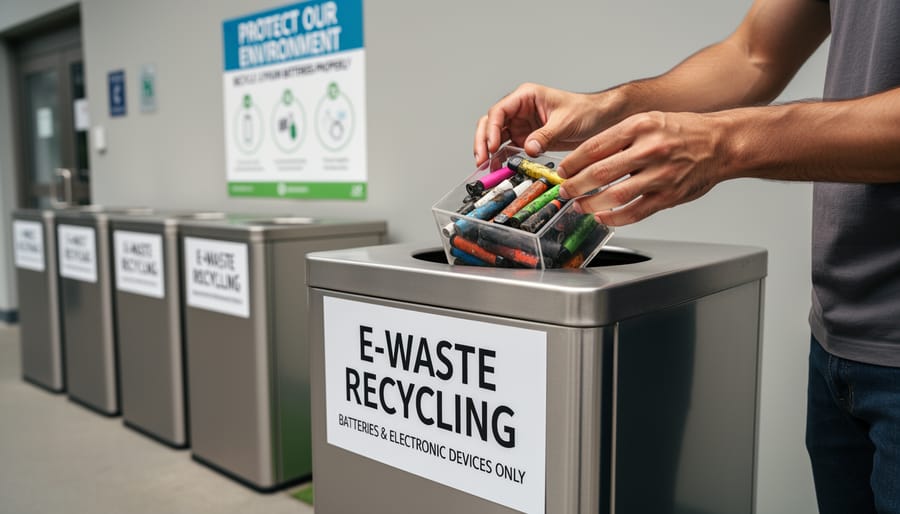
The most responsible approach involves following proper disposal methods through designated e-waste recycling programs or retailer take-back initiatives. Many vape shops now accept used devices for safe battery extraction and material recovery. Some municipalities offer household hazardous waste collection days that accept lithium battery products.
For users concerned about waste and cost, switching to refillable pod systems or rechargeable devices with replaceable components represents a more sustainable solution. These alternatives reduce environmental impact by up to 90% while providing better long-term value and eliminating the temptation to repair inherently unsafe disposable products.
The reality is straightforward: disposable vapes are engineered as single-use products, and manufacturers intentionally design them to resist repair. The sealed construction, proprietary components, and absence of user-serviceable parts make most repair attempts impractical at best and dangerous at worst. While basic troubleshooting like clearing blockages or testing connections might occasionally revive a device, genuine component-level repairs require technical expertise that far exceeds the device’s replacement cost.
The environmental impact of disposables continues driving interest in repair, but the math rarely works in your favor. A $10 disposable containing a dead battery isn’t worth the time and risk involved in disassembly, soldering, and reassembly. The better approach? Transition to refillable pod systems designed with maintenance in mind. These devices feature replaceable coils, rechargeable batteries, and repairable components that drastically reduce waste while saving money over time.
If you choose to attempt any repairs, safety must remain the priority. Never puncture or improperly charge lithium batteries. Work in ventilated areas away from flammable materials. Recognize when a device has reached the end of its lifespan.
For disposal, check local regulations regarding electronic waste and lithium batteries. Many vape shops and electronics retailers offer battery recycling programs. Never discard disposables in regular household trash where damaged batteries could pose fire hazards.
The sustainable path forward isn’t fixing throwaway devices. It’s choosing repairable alternatives from the start.